The Lost Art of Listening

At the International Storytelling Center, we produce events where a single storyteller can hold the attention of hundreds and even thousands of people at a time. If you attend the National Storytelling Festival in October, you'll see tens of thousands of people leaning forward in their seats, listening intently to a humble speaker on the stage.

But that's not the norm. We recognize that, in many (maybe most) contexts, listening has become a lost art. Our attention spans are getting shorter even as distractions continue to pile up.

On top of the challenges of modern life, in the U.S., public discourse is dominated by speakers who are heated, reactive, and self-involved. Debates during campaigns and on news programs rarely feature two people on different sides of an issue meaningfully engaging with one another's points. With models like these, it's easy to form opinions — and difficult to let those opinions go.
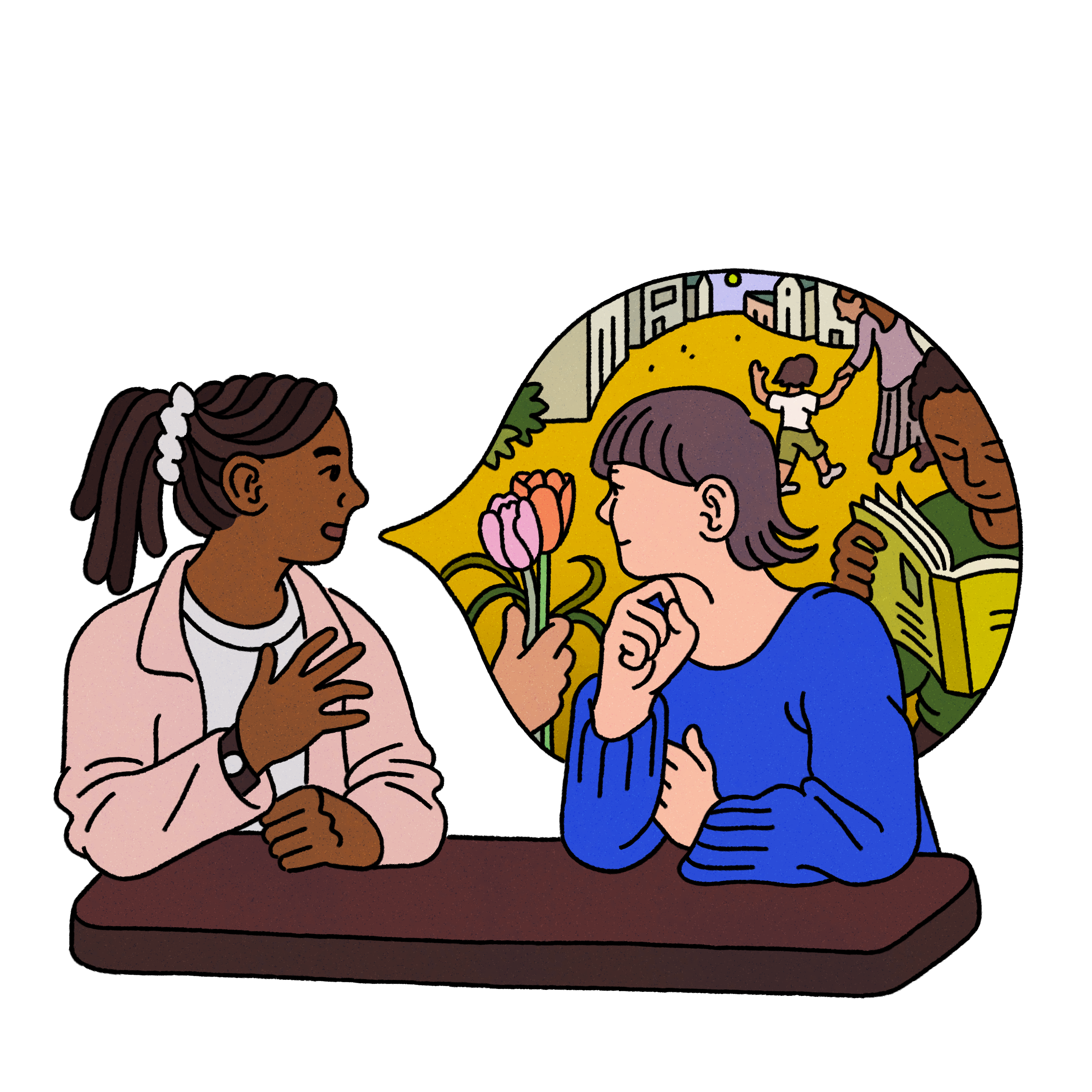
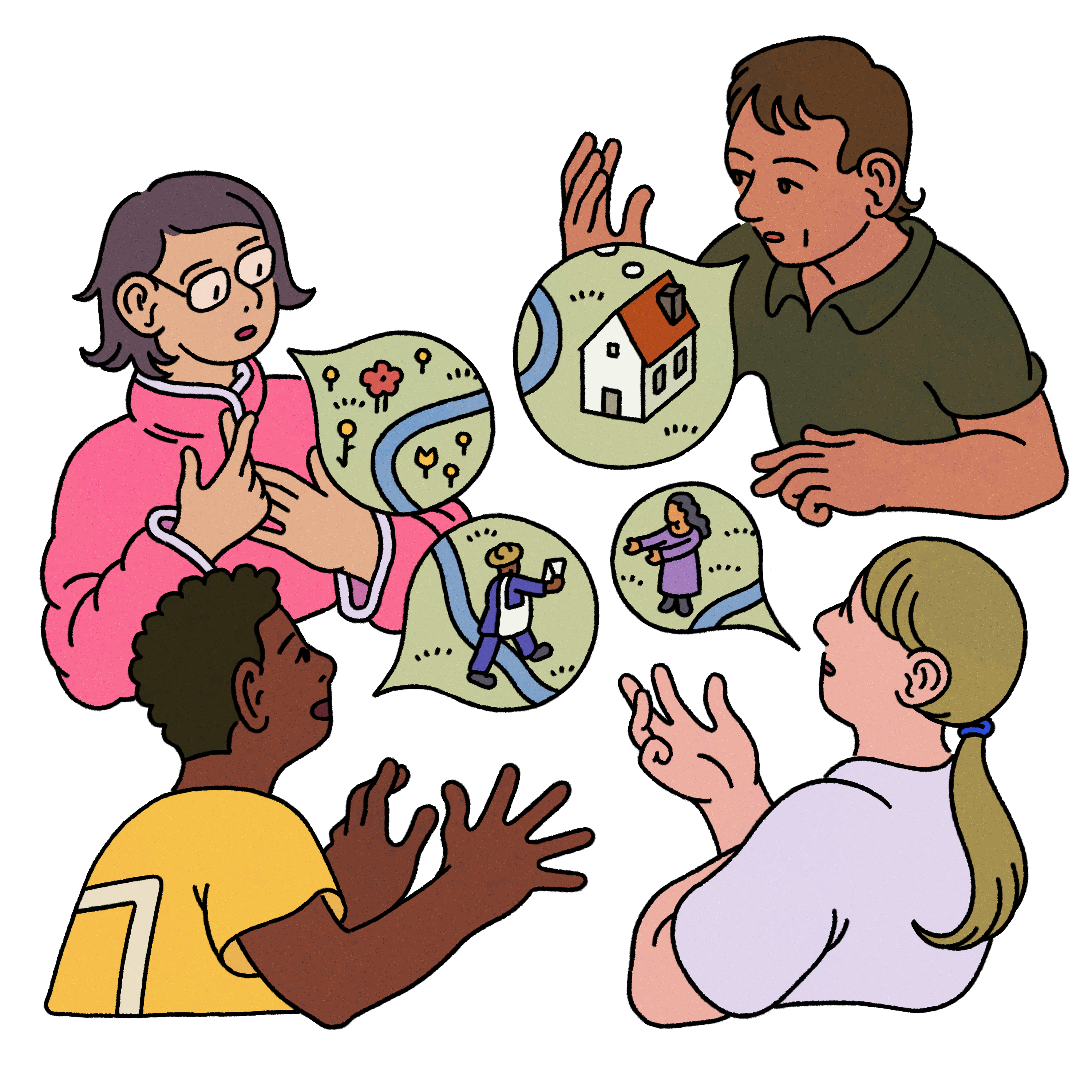
Story Keys illustration

Our Investigation

The research efforts of More than One Story sprang from the recognition that our culture's lack of listening is a huge hurdle to empathy and understanding.

The fact that storytelling builds empathy is well established. It's a concept that children intuitively grasp and social scientists have theorized at length. But how can we convince people to listen to one another long enough to build empathy in the first place?

Our qualitative research emphasized storytelling methodologies. We conducted longform interviews with professional storytellers to better understand their theories, practices, and experiences around listening. We then distilled all that data into five actionable strategies that you can use to talk across differences in day-to-day life.

Research methodology illustration

Five Strategies for Better Conversations

We can't make people empathetic. (Storyteller Elizabeth Ellis says, "The human heart only opens from the inside. You can't force it open.") What we can do is help people become better, more engaged listeners so they can have calmer, more respectful, and more productive dialogues about things that matter.

Based on our original research with experienced storytellers, we developed five core strategies to help people talk across their differences.