"We're not changing history at all. We're just telling the other parts of the story that you never heard before." Storyteller Sheila Arnold talks about the purpose of the project and what we achieved during the community series.

In 2025, ISC launched the More than One Story community series, a new format for bringing people together to talk about difficult subjects. The format combined live storytelling with the strategies derived from our research.

The content of the series, which was created by the storyteller Sheila Arnold, had geographical immediacy in that it was geared toward the communities around our homebase of Jonesborough, Tennessee. But the topics were also nationally significant.

We Need to Talk

All over the country, communities have been reckoning with how we talk about — and don't talk about — our shared history.

Commemorative statues, historical placards, and museum exhibits have been questioned, derided, and defended at every level of society, from ordinary citizens to the highest level of government. These conversations are often contentious and fraught.

We believe that many ideological and political conflicts today are rooted in our country's pressing need to acknowledge and process painful episodes from the past. Storytelling is uniquely suited to guide constructive dialogues.

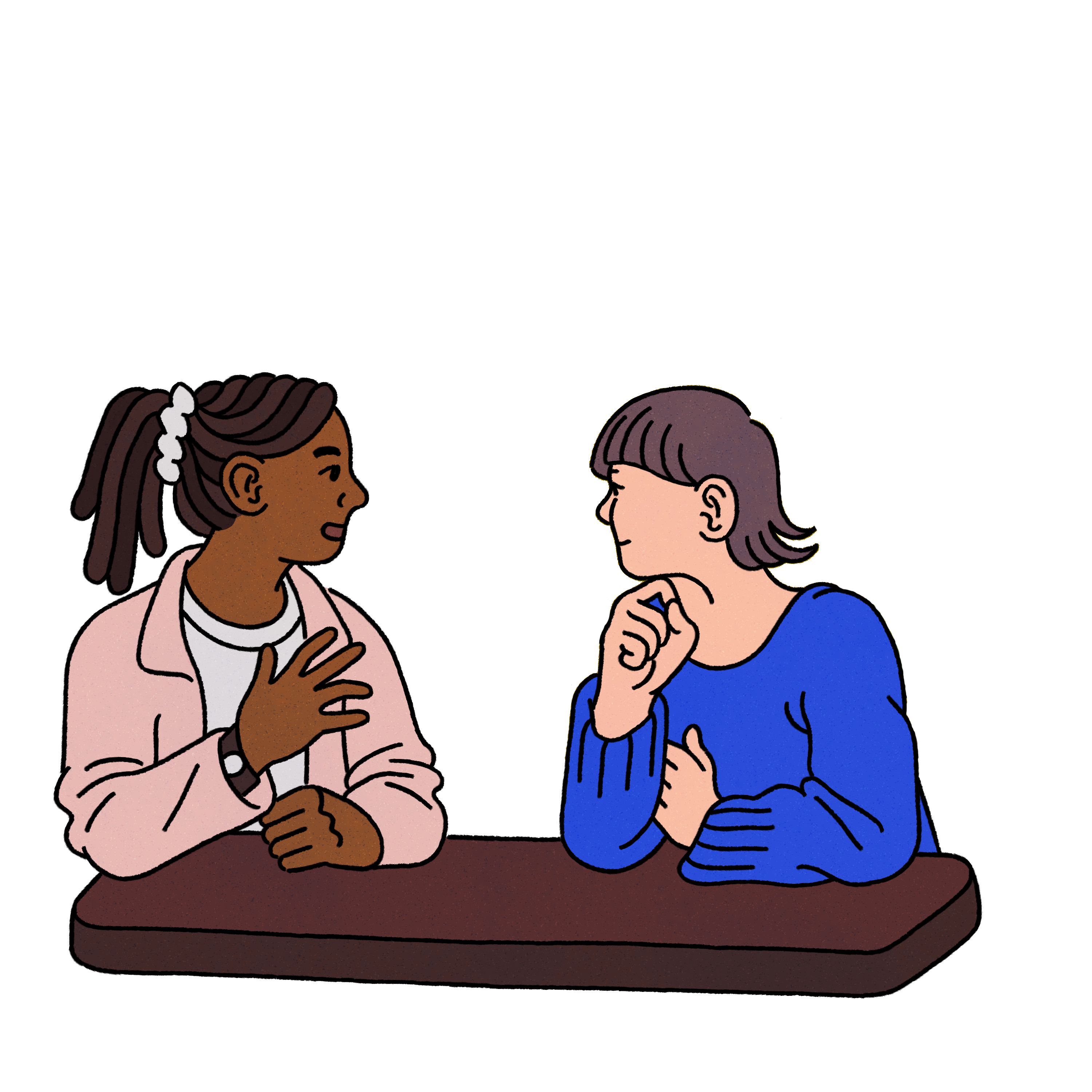
Two women talking illustration

Welcoming New Faces

The More than One Story community series was rooted in ISC's belief that storytelling, and the arts in general, should be accessible to everyone. We believe that storytelling not only enriches our lives as individuals, but also enhances our communities and supports civic engagement.

The series was also grounded in our realization that the storytelling industry (and our organization specifically) needs to do a better job of meeting people where they are. Many of ISC's live productions — concerts, festivals, and workshops — are geared toward existing fans of the art form. More than One Story has been part of a larger organizational effort to seek out people from different walks of life and make them feel welcome to storytelling events.

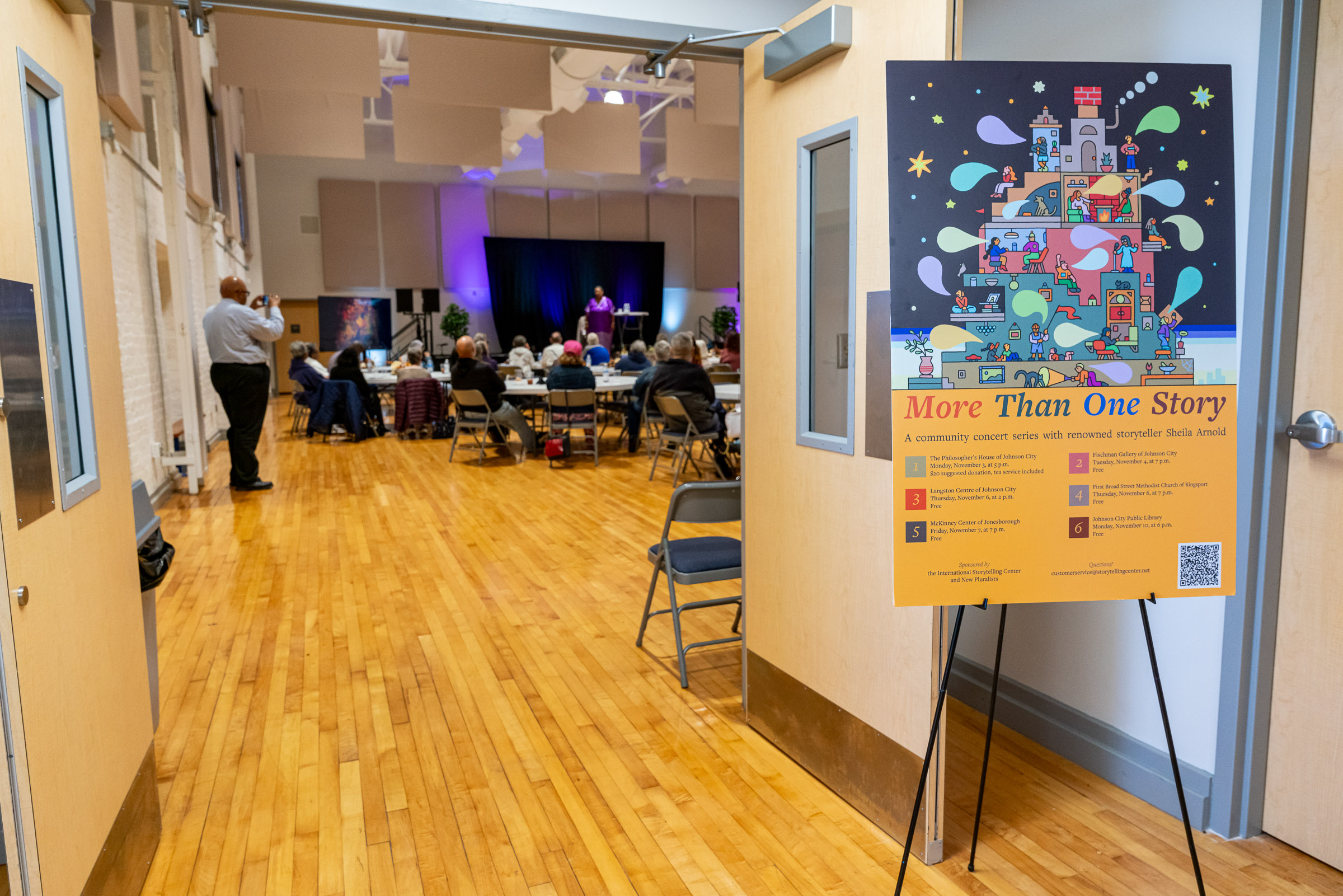
More Than One Story poster art

The promotional art for the More than One Story community series was designed to be fun, fresh, and appealing to many kinds of people.

Access in New Places

The community series was staged at six diverse venues, including a tea house, an art gallery, a high school, a community center, a church, and a multicultural arts center. (Our event at the seventh location, a public library, was canceled due to a freak snowstorm.) Five of the events were free, and the sixth had a sliding-scale admission fee to cover handcrafted tea and scones.

One goal of the project was to address de facto segregation in storytelling and in the arts (which are relatively homogeneous) as well as some of the venues themselves. The community center we partnered with, for instance, was the historic site of an all-Black school. Because of the institution's past, it was often perceived as serving only the Black community, when in fact it was open to everyone. As organizers, we were gratified to see many different faces in our audiences at that location and many others.
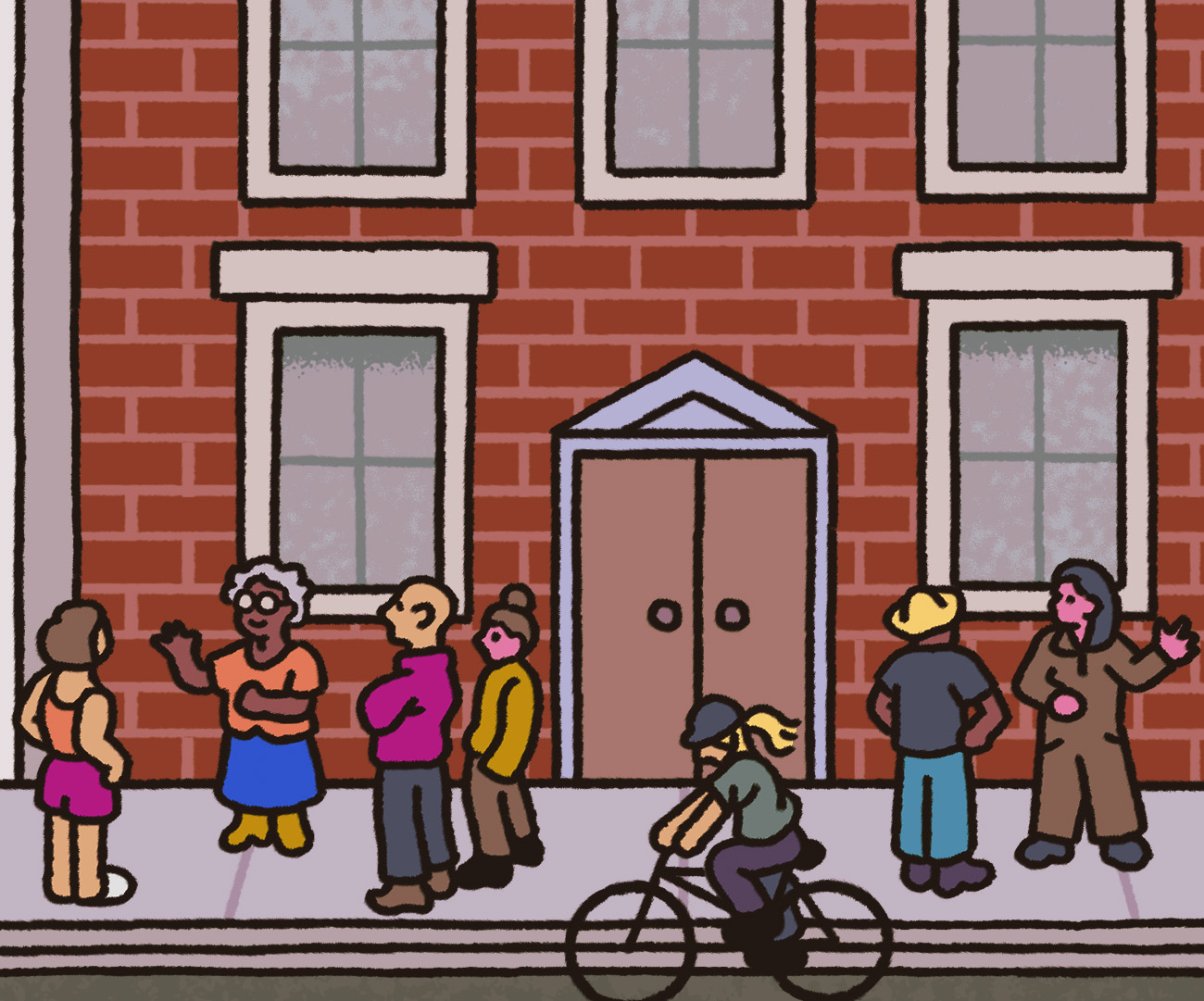
Community storytelling event venue

The Stories

Sheila Arnold told three stories, with three breaks for guided small-group and groupwide discussions. The audiences were highly engaged (including the high schoolers who attended the presentation first thing in the morning). After the series concluded, we filmed Sheila's stories to share more widely. Each piece is paired with a discussion guides to share or just consider on your own.

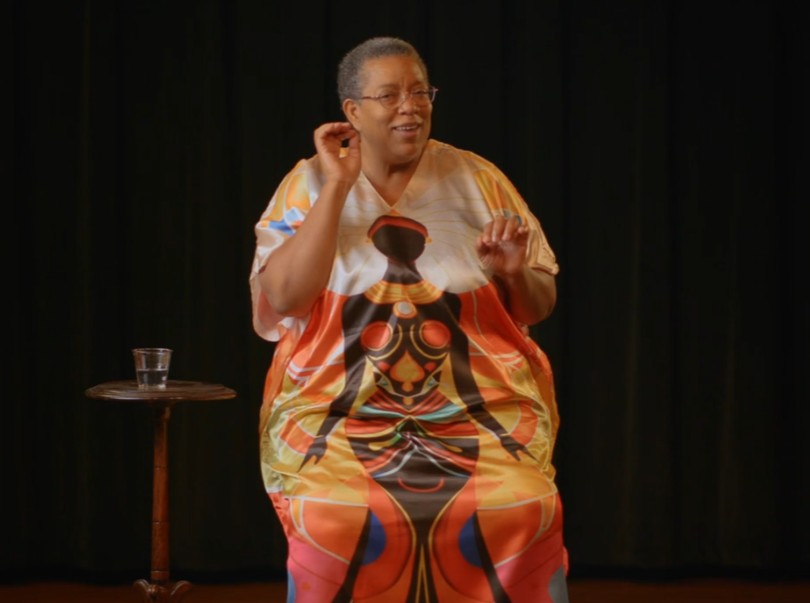
Sheila Arnold performing the Langston High School story
Story 1

The Life of Langston High School

The story of a beloved high school that was lost during desegregation.

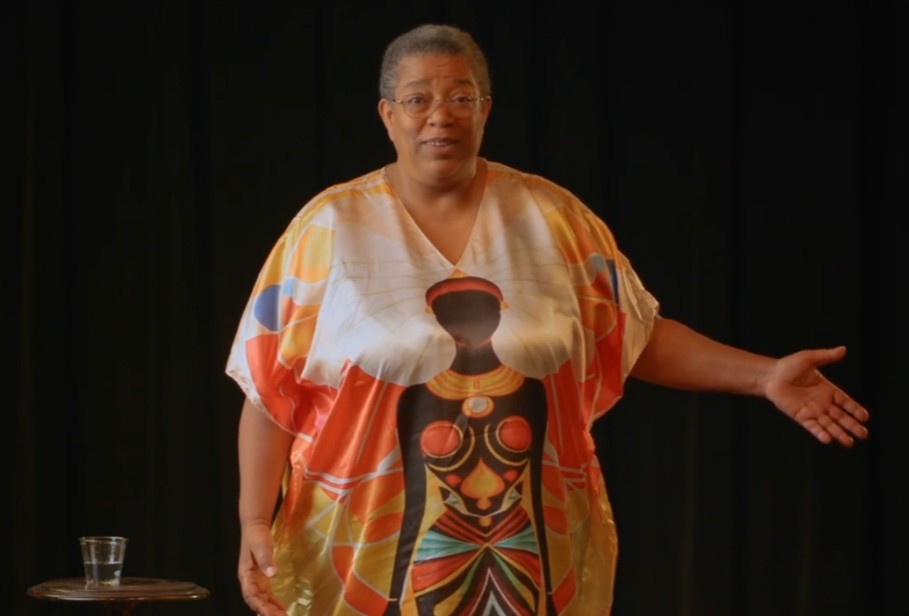
Sheila Arnold performing the Scarboro 85 story
Story 2

The Scarboro 85

The desegregation project in Tennessee's "secret city," Oak Ridge, was peaceful. But was it a success?

Sheila Arnold performing the Emancipator story
Story 3

The Emancipator

Elihu Embree published the country's first abolitionist newspaper. So why did he own slaves?