About This Story
In the throes of World War II, the U.S. government established the "secret city" of Oak Ridge, Tennessee to help develop nuclear weapons for the Manhattan Project.
As a planned community that had imported people from different parts of the country, Oak Ridge was identified as a good site for desegregation in the early stages of the effort. So in 1955, just weeks after the brutal murder of Emmett Till, 85 Black students were sent to join their white peers at two local high schools.
The greater community of Oak Ridge was — and is — proud that their desegregation effort was peaceable and orderly, setting an example that many of its neighboring communities in the Southeast states were unable to live up to. But that doesn't mean that the transition was easy. For a long time, the 85 students who lived through the experience did not feel like their voices were represented in the story of what happened there. Why was their experience being celebrated, when they had felt so much emotional pain?
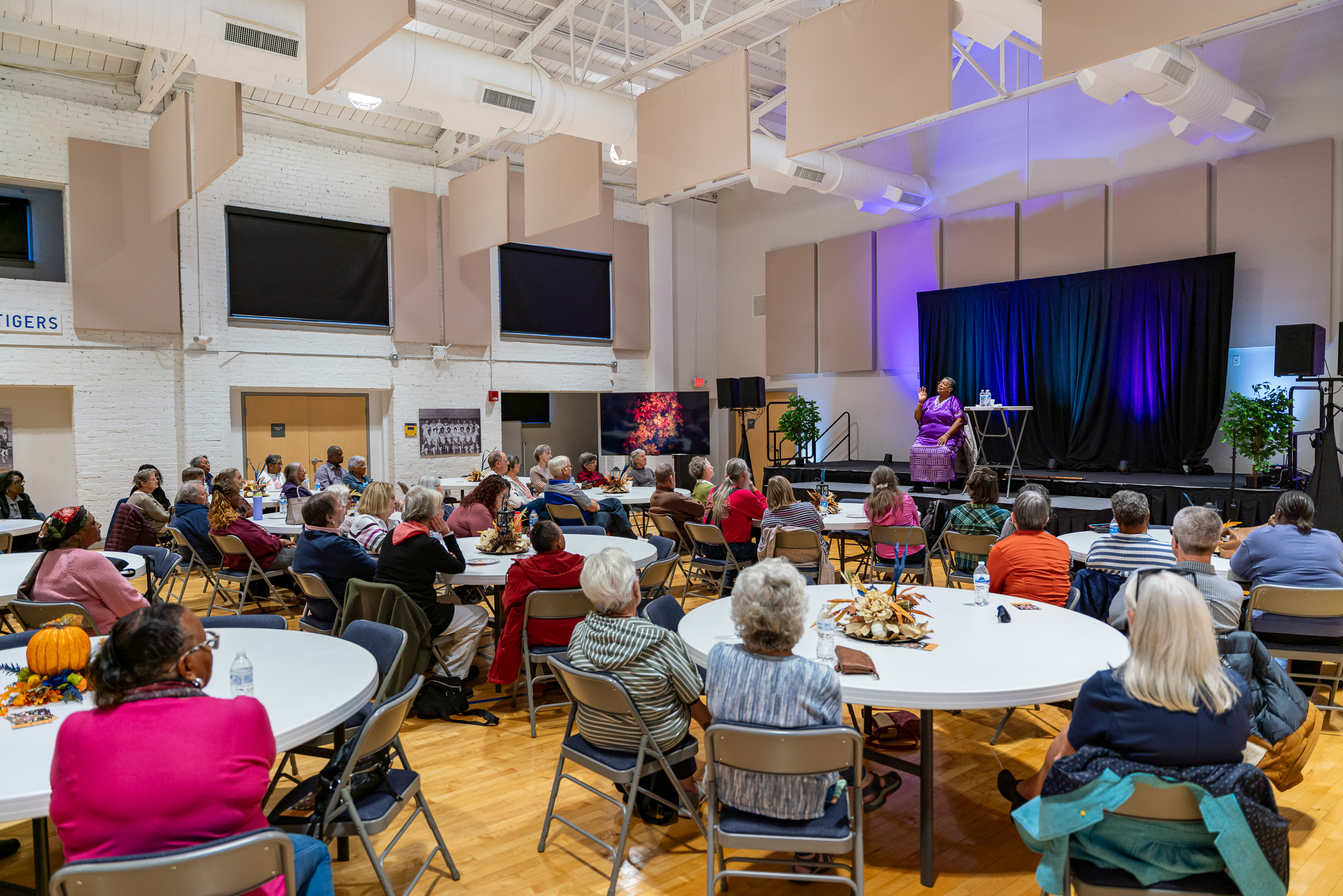
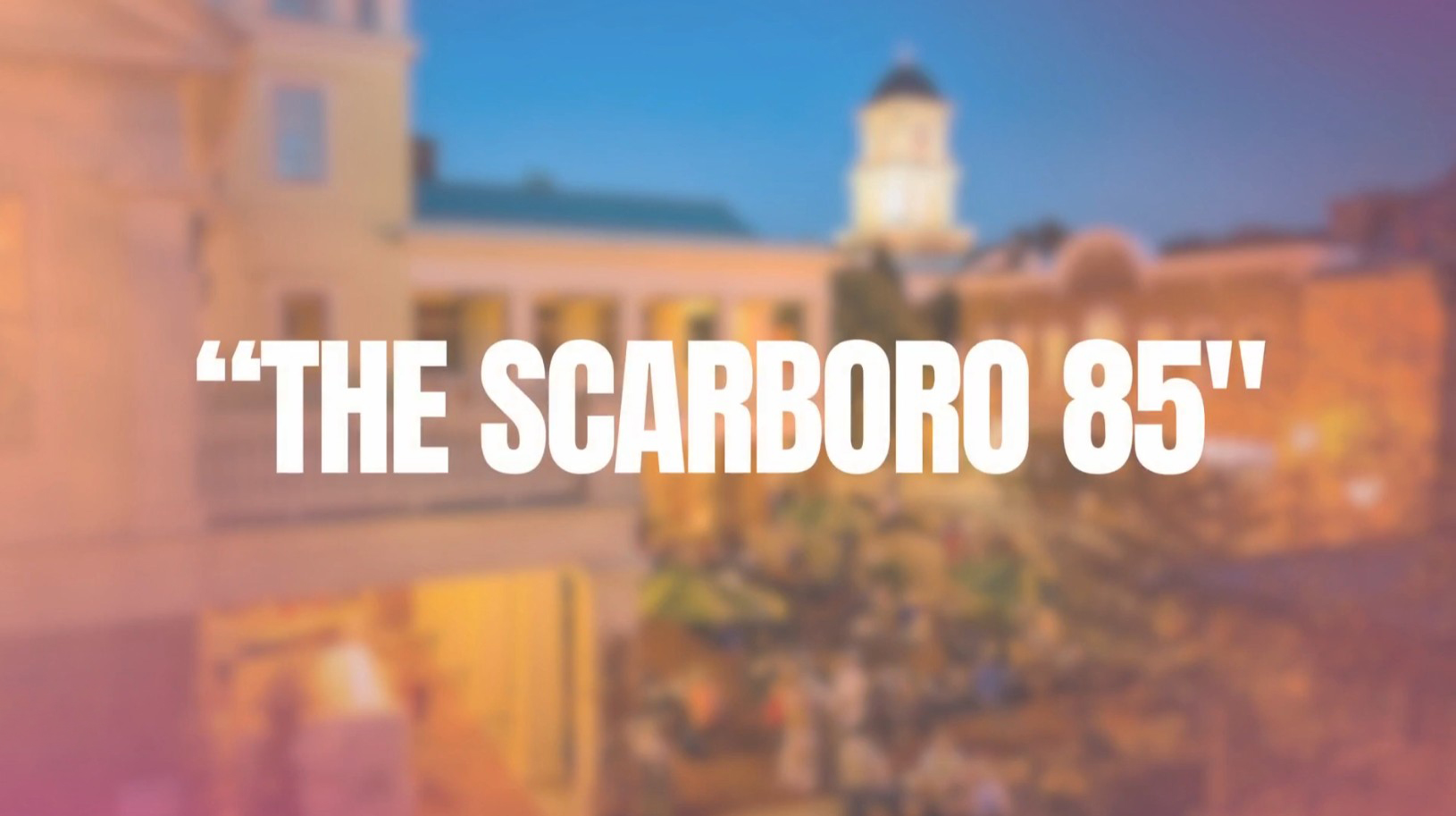
When storyteller Sheila Arnold began interviewing these former students to develop this piece, she found that they shared a fervent wish: to be called the "Scarboro 85." They wanted to honor the name of the Black neighborhood they had lived in, not the school they had attended. (Previously, the group had been referred to as the "Oak Ridge 85.") Their preferred name will be featured on a monument largely funded by the state of Tennessee.
Sheila's story asks us to delve into their complex emotional lives when desegregation was still a work in progress — and after it was "over."
Questions for Further Discussion
How can we honor the complex emotional experiences of those who lived through historical events? Whose voices shape the stories we tell about progress?
For more food for thought, download the educator's guide and reflection guide (at right).