About This Story
About a 20-minute drive from the International Storytelling Center, you'll find the campus that used to be Langston High School. Established in 1893, the high school served the Black teenage population of Johnson City, Tennessee. It was the pride and joy of its community and a center of Black excellence for more than 70 years before it closed for good.
The historical marker on the site today reads:
LANGSTON HIGH SCHOOL
1893-1965
This building housed Johnson City's first African-American public high school. Named for U.S. Congressman John Mercer Langston, an educator, lawyer, and the first African-American elected to public office in the United States (Ohio, 1856), Langston High School was established in 1893. "Enter to Learn. Depart to Serve" was the school's motto. In the spring of 1897, Langston graduated its first class. Due to court-ordered racial desegregation, its last class graduated in the spring of 1965. By the fall semester of the same year, Johnson City schools were completely integrated.
On its face, the closure of Langston High School represented a positive step for society: the integration of schools, which unfolded in fits and starts across the country after the ruling of Brown v. Board of Education. The violent spectacle surrounding desegregation is an important story of the Civil Rights movement. But that era also offers other stories, with more emotional textures, that are equally important to consider.
Langston High School granted its last diploma in 1965, five years after a team of U.S. Marshals escorted Ruby Bridges to her first-grade classroom. The campus was abandoned for some 50 years before it finally reopened as a vibrant community center in 2019.
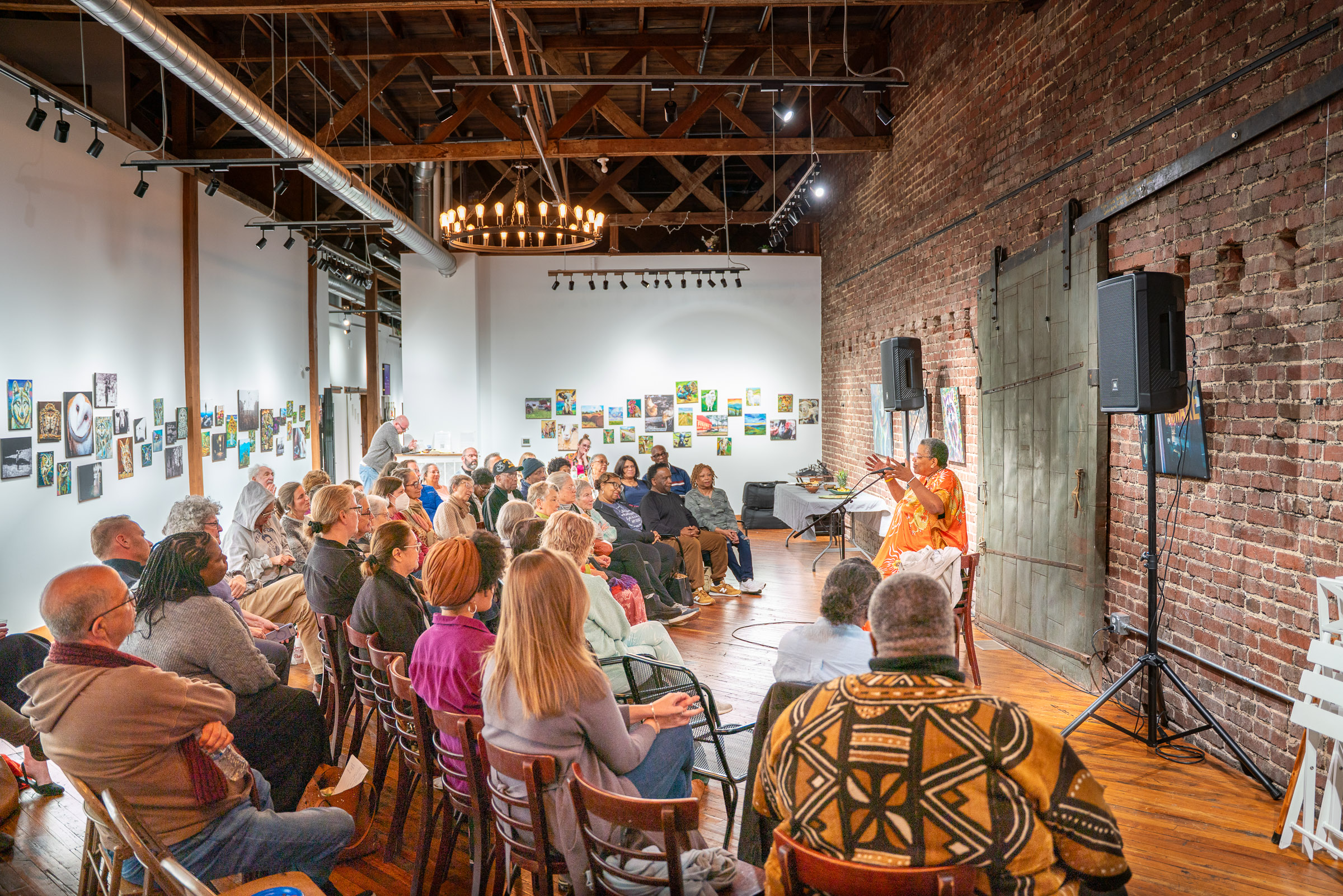
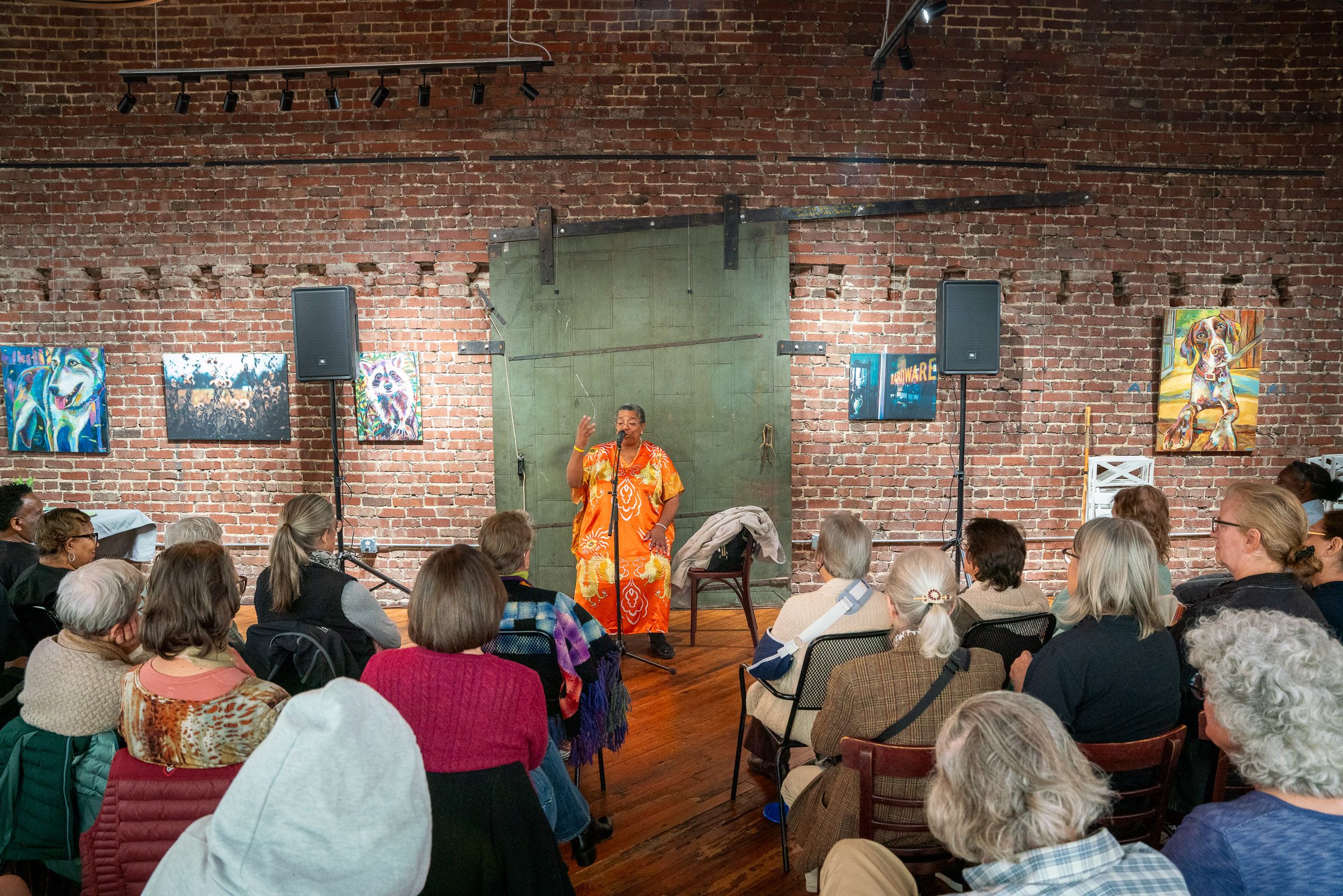
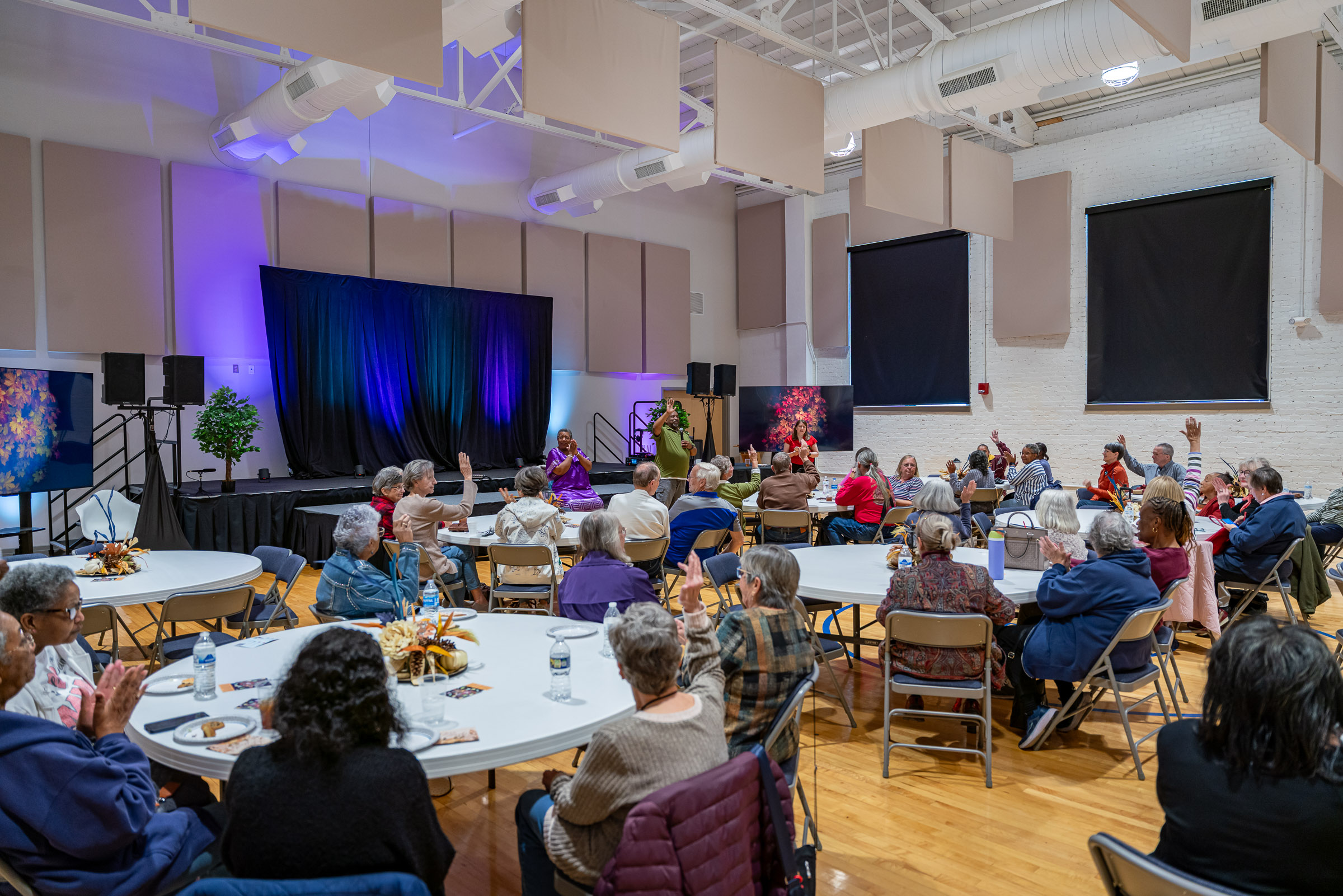
This story by Sheila Arnold gives us a sense of what Langston High School was like in its heyday, asking us to consider what was lost alongside what was gained.
Questions for Further Discussion
What was lost when historically Black schools closed during desegregation? How can communities preserve institutional and cultural memories during times of major social change?
For more food for thought, download the educator's guide and reflection guide (at right).